
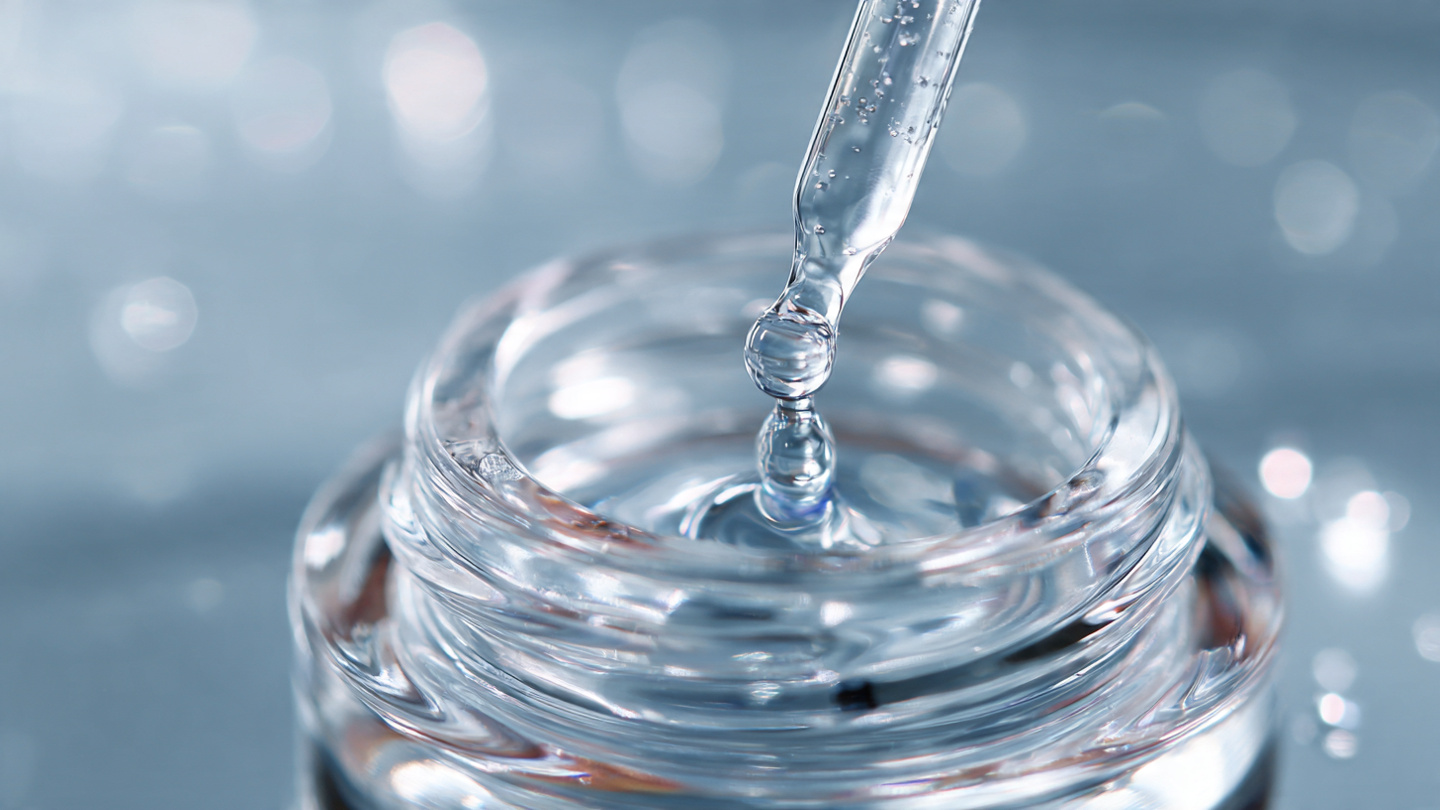
In the quest for healthy, radiant skin, one ingredient has emerged as a true superstar: hyaluronic acid (HA). Celebrated by dermatologists and skincare enthusiasts alike, hyaluronic acid is renowned for its incredible ability to hydrate, plump, and rejuvenate the skin. While it sounds like a complex chemical, its role in skincare is simple yet powerful: it helps the skin retain moisture, keeping it youthful, soft, and glowing.
What is Hyaluronic Acid?
Hyaluronic acid is a naturally occurring substance in the body, found in the skin, connective tissues, and eyes. Its primary function is to retain water, making the skin appear plump and hydrated. As we age, the body’s natural production of HA decreases, leading to dryness, fine lines, and a loss of elasticity. This is why incorporating HA into your skincare routine can be transformative.
Dr. Sandra Lee, a board-certified dermatologist, notes, “Hyaluronic acid is one of the most effective hydrating ingredients we have. It attracts water to the skin and can hold up to 1,000 times its weight in water, which is remarkable for maintaining moisture and softness.”
Key Benefits of Hyaluronic Acid
1. Deep Hydration
The most well-known benefit of hyaluronic acid is its ability to deeply hydrate the skin. Unlike moisturizers that sit on the surface, HA penetrates the skin and binds water within the dermis, providing long-lasting moisture. This helps to smooth dry, rough patches and leaves the skin feeling supple and refreshed.
2. Plumps and Reduces Fine Lines
Hydrated skin looks fuller and firmer. By attracting water to the skin, hyaluronic acid can reduce the appearance of fine lines and wrinkles, giving the face a more youthful and plump appearance. Dr. Kyung-Sook Kim explains, “Even small amounts of HA in a serum or cream can create noticeable improvements in skin texture and elasticity within weeks of regular use.”
3. Supports Skin Barrier Function
A strong skin barrier is essential for protecting against pollutants, irritants, and moisture loss. HA helps strengthen this barrier by maintaining hydration and improving the skin’s natural resilience. When the barrier is healthy, skin is less prone to redness, sensitivity, and environmental damage.
4. Suitable for All Skin Types
Hyaluronic acid is gentle and non-irritating, making it suitable for all skin types, including sensitive and acne-prone skin. It can be incorporated into serums, moisturizers, masks, or even injectable treatments, depending on your skincare goals. Dr. David Colbert, a cosmetic dermatologist, says, “HA is one of the most versatile ingredients in skincare. It complements almost every routine without causing irritation or breakouts.”
5. Enhances Absorption of Other Products
By hydrating the skin, hyaluronic acid also improves the absorption and effectiveness of other skincare products, such as vitamins, peptides, and antioxidants. Moisturized skin can better utilize these active ingredients, making your entire skincare regimen more effective.
How to Use Hyaluronic Acid
To maximize the benefits of hyaluronic acid, apply it to slightly damp skin and follow with a moisturizer to lock in hydration. It’s suitable for both morning and evening routines and can be layered under serums or creams. For added effects, combining HA with vitamin C or peptides can enhance skin brightness and firmness.
Conclusion
Hyaluronic acid is more than just a buzzword in skincare—it’s a scientifically backed, highly effective ingredient that promotes deep hydration, smooths fine lines, strengthens the skin barrier, and improves overall skin health. Whether you are looking to combat dryness, prevent premature aging, or simply maintain a radiant complexion, incorporating HA into your skincare routine is a simple yet transformative step. As experts agree, well-hydrated skin is the foundation for a youthful, glowing, and resilient complexion.
Leave a Reply