
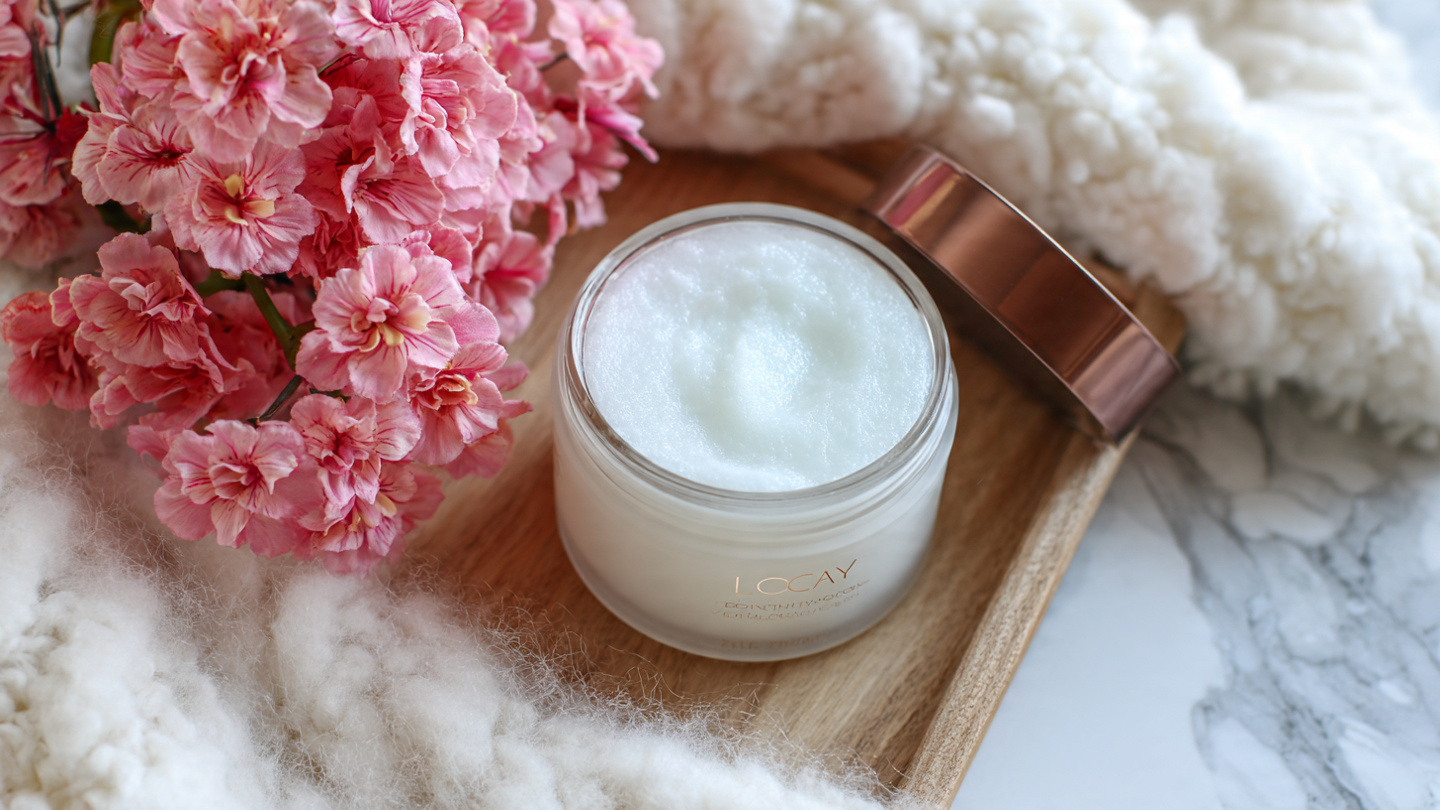
The shift from winter to spring isn’t just a change in our wardrobes or the scenery outside our windows—it’s a fundamental shift in our skin’s environment. Where winter skin battles dry, cold air, harsh winds, and dehydrating indoor heat, spring skin must adapt to fluctuating temperatures, rising humidity, increased pollen, and stronger UV rays. This isn’t a time for a simple product swap; it’s a strategic recalibration.
Think of it as switching your skin’s diet from hearty, warming stews to fresh, vibrant salads. Here’s your comprehensive, detailed guide to making that transition smoothly and effectively.
Phase 1: The Reset & Exfoliation (Weeks 1-2)
The Winter Reality: Cold air slows down skin cell turnover, leading to a buildup of dead, flaky cells that create a dull, uneven surface. Your rich winter creams may have sat on top of this layer rather than penetrating deeply.
The Spring Strategy: Gentle Resurfacing.
- Step Away From: Harsh physical scrubs (walnut shells, coarse salts) which can cause micro-tears in the skin barrier that’s already potentially compromised from winter.
- Step Towards: Chemical Exfoliants. They work by dissolving the “glue” between dead skin cells.
- For Dry/Sensitive Skin: PHA (Polyhydroxy Acids) like Gluconolactone. They are larger molecules, providing gentle exfoliation with extra hydration and antioxidant benefits. Perfect for a cautious start.
- For Normal/Combination Skin: Lactic Acid (an AHA). Hydrating while it exfoliates. A 5-10% formulation used 1-2 times a week is ideal.
- For Oily/Congestion-Prone Skin: Salicylic Acid (a BHA). Oil-soluble, it dives into pores to clear out excess sebum and debris, preventing spring breakouts.
- The How-To: Introduce your chosen exfoliant once a week in the evening, after cleansing and before moisturizer. Monitor for 2 weeks. If tolerated well, you can increase to 2-3 times a week. Never exfoliate daily.
Phase 2: The Moisturizer Migration (Week 2-3)
The Winter Reality: You likely relied on emollient-rich creams with ingredients like shea butter, petrolatum, or heavy oils to create a protective, occlusive barrier against moisture loss.
The Spring Strategy: Switch to Hydration-First Formulations.
- Texture Shift: Move from balms/rich creams → creams → lightweight lotions or gel-creams.
- Ingredient Spotlight: Seek out these hydrating heroes that won’t feel heavy:
- Hyaluronic Acid: A humectant that can hold up to 1000x its weight in water. It draws moisture into the skin rather than just sitting on top.
- Glycerin: Another superstar humectant that is often underrated.
- Squalane: A plant-derived oil that mimics the skin’s natural sebum. It’s lightweight, non-comedogenic, and provides perfect “slip” without greasiness.
- Ceramides: Crucial for maintaining the skin barrier. Keep these in your routine, but look for them in lighter serums or lotions instead of heavy creams.
- Pro-Tip: If your skin feels dry in some areas (cheeks) but oily in others (T-zone) – a classic spring issue – practice “zone moisturizing.” Use your richer winter cream only on the dry patches and a light gel everywhere else.
Phase 3: The Antioxidant Armor & Sunscreen Surge (Ongoing, Critical!)
The Winter Reality: Sunscreen use might have been inconsistent. Antioxidant protection, while always important, is now non-negotiable.
The Spring Strategy: Double Down on Daily Defense.
- Antioxidant Addition:
- Vitamin C (L-ascorbic acid): The gold standard. It brightens, fights free radicals from UV/pollution, and actually boosts the efficacy of your sunscreen. Apply it every morning after cleansing and before moisturizer/SPF.
- Alternatives: If Vitamin C is too irritating, try Niacinamide (Vitamin B3), Vitamin E (Tocopherol), or Ferulic Acid. These all offer stabilizing and protective benefits.
- Sunscreen Upgrade:
- Reality Check: UVB rays (the burning rays) increase significantly in spring. UVA rays (the aging rays) are constant year-round.
- Your New Must: A broad-spectrum SPF 30 (minimum) to SPF 50. Apply 1/4 teaspoon for the face alone, every single morning, as the last step of your skincare routine.
- Formula Shift: If your winter SPF was a moisturizer/SPF combo or a rich cream, explore lighter textures: fluid lotions (often called “milk”), gel-based sunscreens, or mineral powders for reapplication over makeup. Look for “non-comedogenic” labels.
Phase 4: Cleansing & Supporting Act Adjustments (Week 3-4)
The Winter Reality: A gentle, milky or cream cleanser was perfect for not stripping essential oils.
The Spring Strategy: Adapt to increased outdoor activity, sweat, and heavier sunscreen use.
- The Double Cleanse (Evening): This becomes your spring/summer secret weapon.
- First Cleanse: Use a balm, oil, or micellar water to dissolve SPF, makeup, and pollutants.
- Second Cleanse: Use a gentle, water-based foaming or gel cleanser to remove any residue and truly clean the skin without over-drying.
- Soothing Support: Spring allergies and increased actives can cause redness and sensitivity.
- Have on Hand: A product with Centella Asiatica (Cica), Madecassoside, Oat Extract, or Panthenol (B5). Use it as a calming serum or mask when your skin feels irritated.
Sample Spring Routine Blueprint
Morning (Focus: Protect & Hydrate)
- Cleanse: Splash with lukewarm water or use a hydrating toner on a cotton pad.
- Treat: Vitamin C Serum (or alternative antioxidant).
- Hydrate: Hyaluronic Acid Serum on damp skin.
- Moisturize: Lightweight gel-cream or lotion.
- Protect: Broad-Spectrum SPF 30-50. Let it set for 5 minutes before makeup.
Evening (Focus: Cleanse, Treat, Repair)
- First Cleanse: Balm or Oil Cleanser to melt the day away.
- Second Cleanse: Gentle Foaming or Gel Cleanser.
- Treat (3x/week): Exfoliating Toner or Serum (AHA/BHA/PHA). On non-exfoliating nights, use a hydrating or calming serum.
- Moisturize: Lightweight night cream or lotion with ceramides and peptides.
The Cardinal Rule: Introduce one new product at a time, waiting at least 5-7 days before adding another. This way, you can accurately gauge what’s working and identify any irritants.
By following this detailed, phased approach, you’re not just changing products—you’re actively assisting your skin’s largest organ through a significant environmental transition. The result? A complexion that’s clear, resilient, hydrated, and radiantly ready for all the sunshine and fresh air spring has to offer.
What’s the biggest challenge your skin faces when the seasons change? Is it sudden dryness, unexpected breakouts, or increased sensitivity? Share your experiences and favorite transition products below!
Leave a Reply