
Understanding the Skin Barrier and Why It Matters
Your skin barrier, also known as the stratum corneum, is the outermost layer of your skin and your first line of defense against the outside world. It is made up of skin cells held together by lipids like ceramides, cholesterol, and fatty acids, forming a protective shield that locks in moisture and keeps out irritants, bacteria, and pollutants. When this barrier is healthy, your skin looks smooth, hydrated, and resilient. However, over-exfoliation, harsh cleansers, environmental stress, and DIY mistakes can weaken it, leading to dryness, redness, sensitivity, breakouts, and a constant feeling of tightness. That’s why modern skincare trends strongly emphasize a “skin barrier first” approach—repairing and protecting before treating any other concern.
Signs Your Skin Barrier Needs Repair
A compromised skin barrier often sends clear warning signs. You may notice persistent dryness no matter how much moisturizer you apply, increased sensitivity to products you once tolerated, redness, flaking, or even sudden acne flare-ups. Makeup may sit poorly on the skin, and your face might sting or burn after cleansing. These symptoms indicate that moisture is escaping too easily and irritants are penetrating more deeply. Before reaching for strong actives, focusing on barrier repair is essential, especially when experimenting with DIY skincare at home.
The Golden Rules of DIY Barrier Care
DIY skincare can be gentle and effective when done correctly, but it requires a minimalist and mindful approach. The goal of barrier repair is hydration, nourishment, and protection—not exfoliation or “detoxing.” Avoid ingredients like lemon juice, baking soda, undiluted essential oils, or abrasive scrubs, as these can worsen barrier damage. Instead, focus on soothing, moisturizing, and lipid-rich ingredients that mimic what your skin naturally needs. Always patch test, keep recipes simple, and use clean tools to prevent contamination.
DIY Oat and Honey Barrier Repair Mask
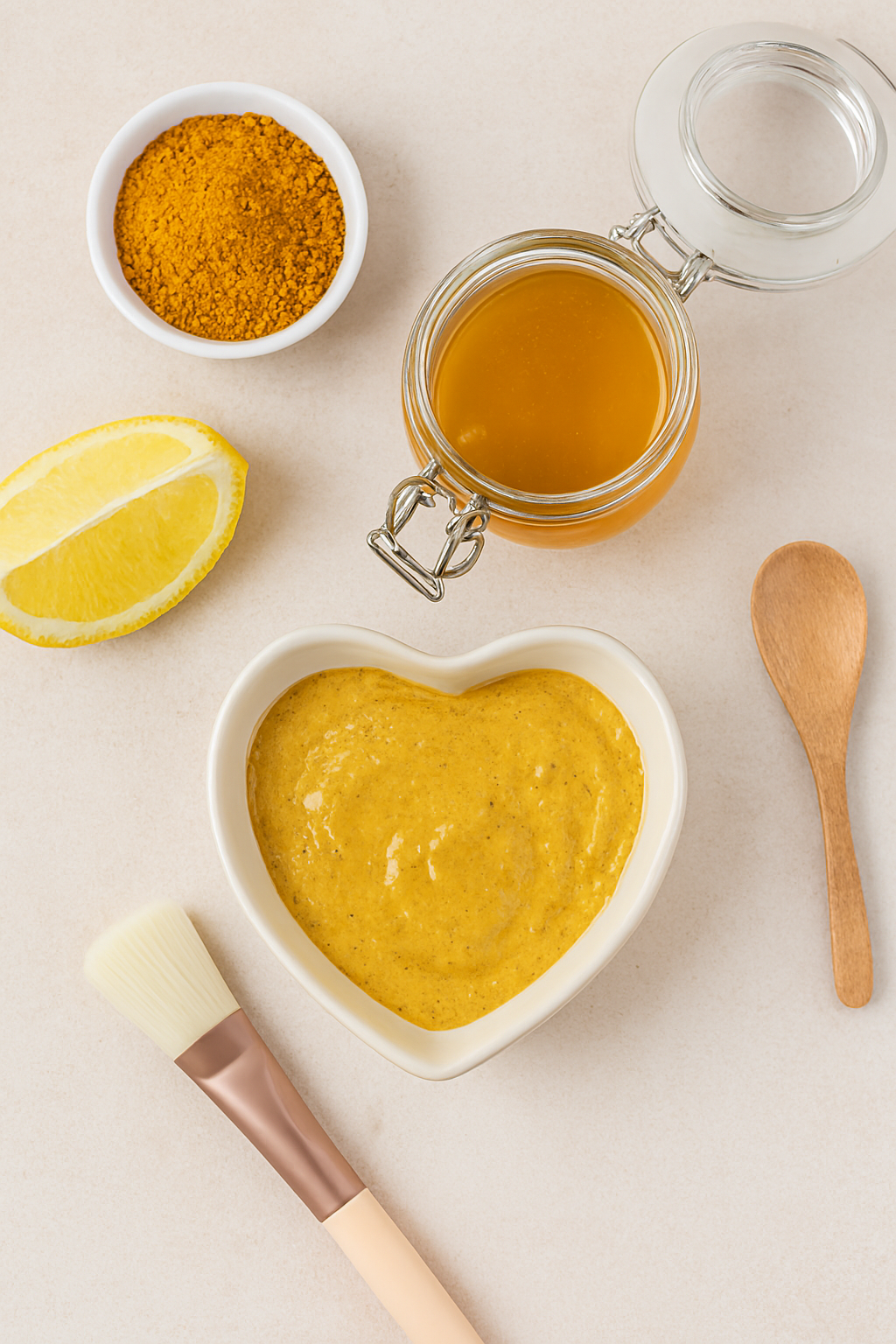
One of the most soothing combinations for a damaged skin barrier is oats and raw honey. Colloidal oats are known for their calming and anti-inflammatory properties, while honey acts as a natural humectant, drawing moisture into the skin. To make this mask, finely grind plain oats into a soft powder and mix with a tablespoon of raw honey and a little warm water or milk to form a paste. Apply a thin layer to clean skin and leave it on for 15–20 minutes. This mask helps reduce redness, ease irritation, and restore comfort without stripping the skin.
Aloe Vera and Glycerin Hydration Gel
Hydration is a cornerstone of barrier repair, and this simple DIY gel focuses on replenishing water levels in the skin. Aloe vera soothes inflammation and supports healing, while vegetable glycerin attracts and retains moisture. Mix two tablespoons of pure aloe vera gel with a few drops of glycerin, ensuring the glycerin is well diluted. Apply a small amount to damp skin and follow with a moisturizer or oil to seal it in. This recipe is especially helpful for skin that feels tight or overheated.
Nourishing Oils to Rebuild Lipids
When the skin barrier is damaged, it often lacks essential lipids. Plant oils can help replenish these when chosen carefully. Oils like jojoba, sunflower seed, and sweet almond oil closely resemble the skin’s natural sebum and are generally well tolerated. A simple DIY oil blend can be made by combining one or two of these oils and applying a few drops as the final step in your nighttime routine. This helps reduce transepidermal water loss and supports long-term barrier recovery.
DIY Yogurt and Oat Soothing Cleanser
Cleansing is one of the most common ways people accidentally damage their skin barrier. A gentle DIY cleanser can give your skin a break from foaming surfactants. Plain, unsweetened yogurt contains lactic acid in very mild amounts and probiotics that can support skin balance. Mix a tablespoon of yogurt with finely ground oats and gently massage onto damp skin before rinsing with lukewarm water. This cleanser leaves skin soft and clean without that stripped feeling.
Lifestyle Habits That Support Skin Barrier Repair
DIY recipes work best when paired with healthy daily habits. Avoid washing your face with hot water, limit exfoliation to once a week or less, and give your skin rest days without active ingredients. Sun protection is also critical, as UV damage weakens the skin barrier over time. Drinking enough water, managing stress, and maintaining a balanced diet rich in healthy fats all contribute to stronger, more resilient skin from the inside out.
Avocado and Oat Deep Nourishment Mask
Avocado is rich in healthy fats, vitamins E and C, and antioxidants that help replenish the lipids your skin barrier needs to stay strong. When the barrier is damaged, skin often lacks oils that keep moisture sealed in, leading to dryness and irritation. To create this nourishing mask, mash a small piece of ripe avocado until smooth and mix it with finely ground oats and a teaspoon of honey or plain yogurt. Apply a thin layer to clean skin and leave it on for 15 minutes before rinsing with lukewarm water. This mask is especially beneficial for dry, flaky, or over-exfoliated skin that feels rough and tight.
Rice Water and Aloe Soothing Mask
Rice water has been used for centuries in Asian skincare for its calming and strengthening properties. It contains amino acids and antioxidants that support the skin’s natural protective barrier, while aloe vera helps reduce redness and inflammation. To make this mask, soak uncooked rice in water for 30 minutes, strain the liquid, and mix a few tablespoons of the rice water with aloe vera gel. Apply the mixture to your face using clean fingers or a cotton pad and let it sit for 10–15 minutes. This mask leaves the skin feeling refreshed, balanced, and comforted, making it ideal for sensitive or stressed skin.
Banana and Honey Repair Mask
Bananas are rich in potassium and vitamins that help hydrate and soften the skin, while honey supports moisture retention and barrier recovery. This simple mask works well when your skin feels dull, tired, or dehydrated. Mash a small piece of ripe banana until smooth and mix with one teaspoon of raw honey. Apply evenly to the skin and leave on for 15 minutes before rinsing gently. This mask helps restore suppleness and gives the skin a healthy, nourished appearance without irritation.
Chamomile Tea and Oat Calm-Down Mask
When your skin barrier is inflamed or reactive, calming ingredients are essential. Chamomile is known for its anti-inflammatory and soothing properties, making it perfect for redness-prone or sensitive skin. Brew a strong cup of chamomile tea, allow it to cool, and mix a small amount with finely ground oats to form a soft paste. Apply to the skin and relax for 15–20 minutes before rinsing. This mask helps reduce discomfort, calm flare-ups, and support barrier healing over time.
Shea Butter and Honey Recovery Mask
Shea butter is a powerful emollient that helps repair the skin barrier by sealing in moisture and restoring softness. When used sparingly and properly, it can be a lifesaver for very dry or compromised skin. Melt a small amount of raw shea butter between your fingers and mix it with a tiny amount of honey. Apply a thin layer to the skin and leave it on for 10–15 minutes before gently wiping off the excess with a warm, damp cloth. This mask is best used at night and is especially helpful during cold or dry weather.
Cucumber and Aloe Cooling Mask
A damaged skin barrier often feels hot, itchy, or irritated. Cucumber provides instant cooling and hydration, while aloe vera supports healing and moisture balance. Blend fresh cucumber into a smooth pulp and mix with aloe vera gel. Apply generously to the skin and leave it on for 15 minutes before rinsing. This mask is ideal after sun exposure, environmental stress, or when your skin feels overwhelmed by too many products.
Yogurt and Honey Microbiome-Friendly Mask
The skin barrier is closely linked to a healthy skin microbiome. Plain yogurt contains probiotics and lactic acid in gentle amounts that support balance without stripping the skin. Mix one tablespoon of plain yogurt with a teaspoon of honey and apply to clean skin. Leave on for 10–15 minutes before rinsing with lukewarm water. This mask helps improve softness, comfort, and overall skin resilience when used once a week.
How Often to Use Barrier-Repair Masks
When your skin barrier is compromised, less is more. Using one or two of these masks per week is enough to support healing without overwhelming the skin. Always follow up with a gentle moisturizer or facial oil to lock in the benefits. Over time, consistent use of calming, nourishing masks can significantly improve your skin’s strength, comfort, and natural glow.
Patience Is the Key to a Stronger Skin Barrier
Repairing your skin barrier is not an overnight process. It requires consistency, gentleness, and patience. DIY skincare can be a powerful ally when you focus on calming, hydrating, and nourishing your skin rather than trying to “fix” everything at once. By putting your skin barrier first, you create a healthy foundation that allows your skin to heal, glow naturally, and better tolerate future treatments. A strong barrier is the secret to long-term skin health—and it starts at home with mindful care.
Leave a Reply