
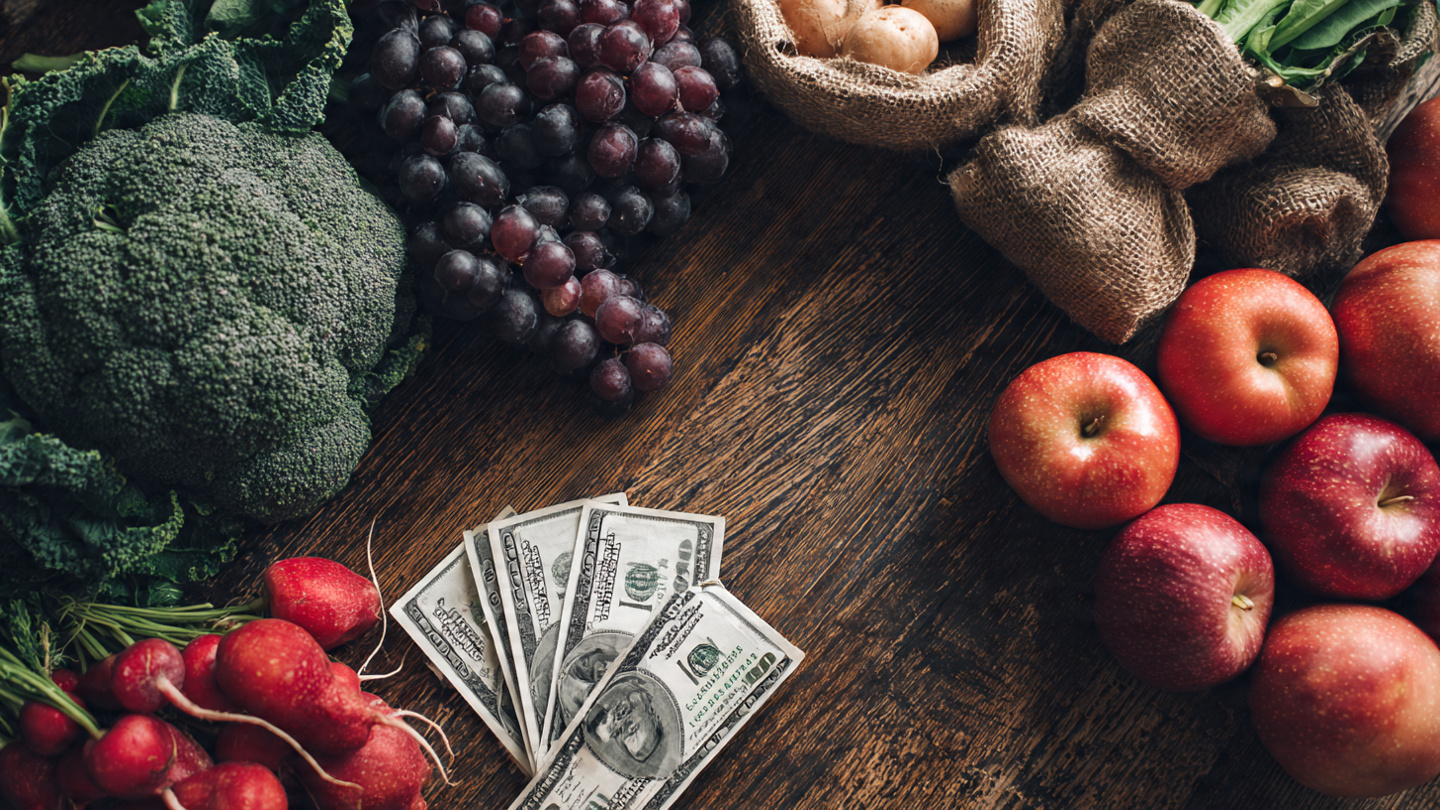
Eating healthy is often seen as expensive, but the truth is that nutritious food doesn’t have to drain your wallet. With smart grocery shopping strategies, affordable superfoods, and simple meal-prep ideas, you can enjoy balanced, nourishing meals while staying within your budget. Healthy eating is more about planning and smart choices than buying trendy or overpriced foods. This guide will show you how to fuel your body well without overspending.
Understanding What “Healthy Eating” Really Means
Healthy eating doesn’t require specialty products, organic labels, or expensive supplements. At its core, it means consuming a variety of whole foods—fruits, vegetables, whole grains, protein, and healthy fats—that provide essential nutrients. Many affordable staples like beans, oats, eggs, and seasonal produce are incredibly nutritious and often outperform costly “health foods.” Once you focus on nutrients rather than marketing, healthy eating becomes far more accessible.
Smart Grocery Shopping Tips to Save Money
Plan Your Meals Before You Shop
Meal planning is one of the most powerful tools for eating healthy on a budget. When you plan your meals for the week, you avoid impulse purchases and food waste. Create a simple menu using overlapping ingredients so nothing goes unused. For example, one batch of cooked lentils can be used in soups, salads, and wraps throughout the week.
Shop with a Grocery List—and Stick to It
A shopping list helps you stay focused and prevents unnecessary spending. Organize your list by food groups or store sections to shop efficiently. Avoid shopping while hungry, as it often leads to buying snacks and processed foods you don’t need.
Buy Seasonal and Local Produce
Seasonal fruits and vegetables are not only cheaper but also fresher and more flavorful. Local markets often offer better prices than supermarkets, especially toward the end of the day. Frozen fruits and vegetables are another budget-friendly option—they’re nutritious, long-lasting, and reduce waste.
Choose Store Brands and Buy in Bulk
Store-brand items usually offer the same quality as name brands at a lower price. Buying staples like rice, oats, lentils, beans, and flour in bulk can significantly cut costs. Just make sure you have storage space and will actually use what you buy.
Affordable Superfoods That Pack a Nutritional Punch
You don’t need exotic or expensive superfoods to eat well. Many budget-friendly foods are loaded with vitamins, minerals, and fiber.
Oats are rich in fiber and support heart health while being one of the cheapest breakfast options available.
Eggs provide high-quality protein, healthy fats, and essential nutrients like choline.
Lentils and beans are excellent sources of plant protein, iron, and fiber, making them perfect for filling, nutritious meals.
Cabbage and carrots are inexpensive vegetables that last a long time and offer antioxidants and vitamins.
Canned fish like sardines or tuna are affordable sources of omega-3 fatty acids and protein.
By building meals around these foods, you can maintain a nutrient-dense diet without overspending.
Meal-Prep Ideas to Eat Healthy All Week
Cook Once, Eat Multiple Times
Meal prepping saves both time and money. Preparing large batches of food—such as soups, stews, grains, or roasted vegetables—allows you to enjoy healthy meals throughout the week. Store portions in the fridge or freezer for quick, ready-to-eat options.
Simple Budget Meal-Prep Ideas
- Vegetable and lentil soup with whole-grain bread
- Rice bowls with beans, roasted vegetables, and homemade sauce
- Overnight oats with fruit and nuts
- Egg muffins with vegetables for quick breakfasts
- Pasta with homemade tomato sauce and seasonal vegetables
These meals use affordable ingredients, are easy to prepare, and provide balanced nutrition.
Reduce Food Waste
Use leftovers creatively. Cooked vegetables can be added to omelets, wraps, or soups, while leftover rice can become fried rice or grain salads. Reducing waste is one of the easiest ways to save money while eating healthier.
Healthy Eating Habits That Keep Costs Low
Cooking at home more often is one of the biggest money-saving habits. Homemade meals are generally healthier and far cheaper than takeout or packaged foods. Drinking water instead of sugary drinks, limiting processed snacks, and focusing on whole foods will also improve your health and your budget.
Remember, consistency matters more than perfection. Small, affordable changes—like swapping processed foods for simple homemade meals—add up over time.
Final Thoughts: Healthy Eating Is About Choices, Not Price
Eating healthy on a budget is completely achievable with thoughtful planning and smart habits. By shopping wisely, choosing affordable superfoods, and preparing meals in advance, you can nourish your body without financial stress. Healthy food doesn’t have to be fancy or expensive—it just needs to be real, balanced, and intentional.
Leave a Reply