
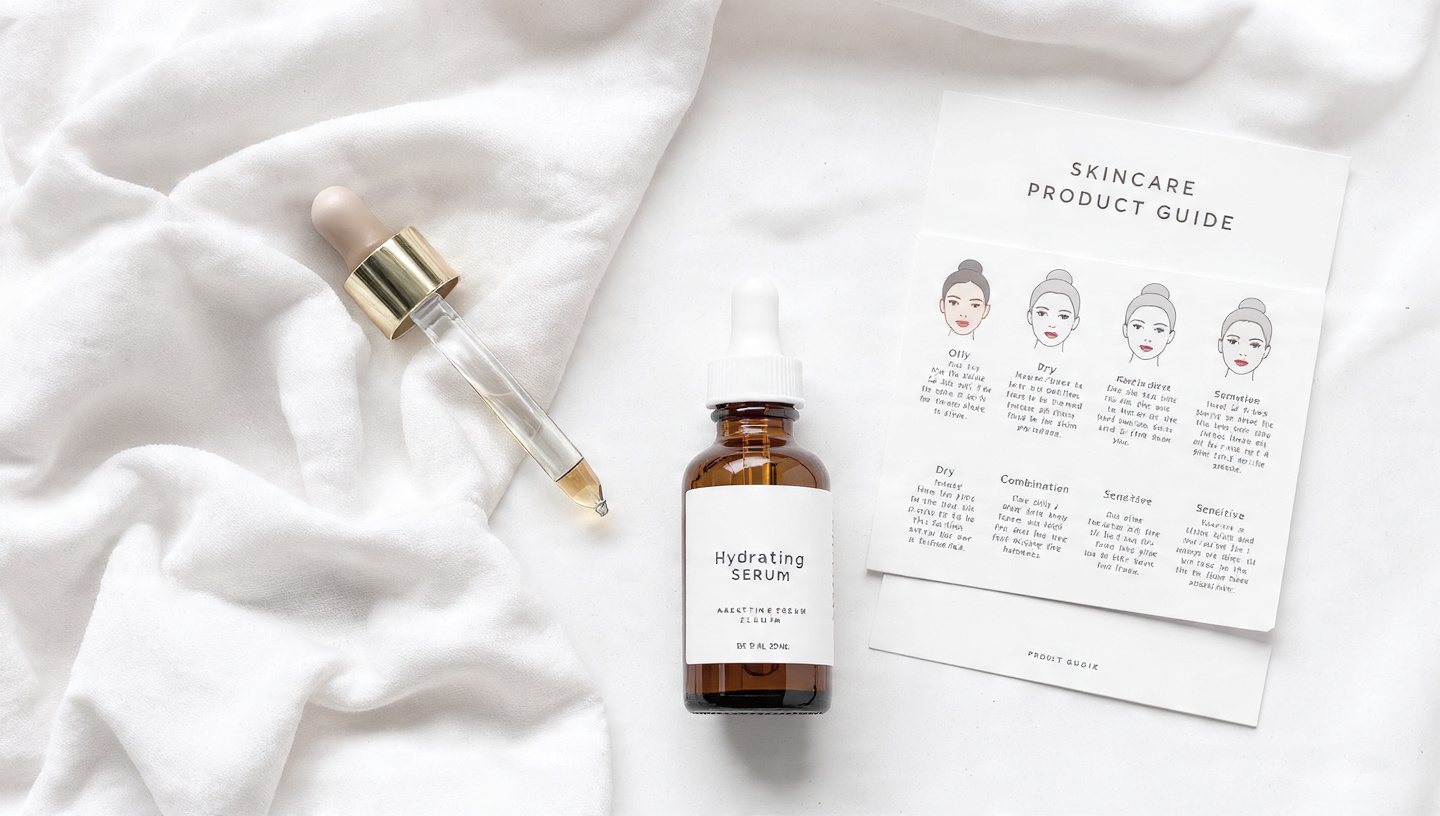
Choosing a serum isn’t just about following trends or buying the most popular product. Serums are powerful skincare tools, and when you pick the right one for your skin type, they can dramatically improve your skin’s health, texture, and appearance. But when you choose the wrong one, you may end up with irritation, breakouts, or wasted money.
This guide will help you understand exactly how to choose a serum that truly works for your skin.
Why Serums Matter in Skincare
Serums are designed to deliver concentrated ingredients deep into the skin. Their lightweight texture allows them to absorb faster than creams, making them ideal for targeting specific concerns like dryness, acne, dark spots, and aging.
Unlike moisturizers, which mainly protect and seal the skin, serums actively treat the skin. This means choosing the right serum can:
- Improve your skin faster
- Reduce the need for too many products
- Strengthen your skin barrier
- Prevent future skin problems
A good serum doesn’t just change how your skin looks — it changes how it functions.
Step One: Know Your Skin Type
Before buying any serum, understanding your skin type is essential. Many people choose products based on trends instead of their real needs, which often leads to disappointment.
Dry Skin
Dry skin lacks natural oils and often feels tight, rough, or flaky. It may look dull and feel uncomfortable, especially after washing.
What dry skin needs:
- Deep hydration
- Barrier repair
- Long-lasting moisture
If your skin feels worse after cleansing, you likely have dry skin.
Oily Skin
Oily skin produces excess sebum, making the face look shiny, especially on the forehead, nose, and chin. It’s often more prone to clogged pores and breakouts.
What oily skin needs:
- Oil balance, not oil removal
- Lightweight hydration
- Ingredients that keep pores clear
Stripping oily skin too much can actually make it produce even more oil.
Combination Skin
Combination skin has both dry and oily areas — usually an oily T-zone with drier cheeks. This makes choosing products tricky.
What combination skin needs:
- Balance
- Flexible hydration
- Non-greasy formulas that still nourish dry areas
The goal is harmony, not perfection.
Sensitive Skin
Sensitive skin reacts easily to products, weather changes, or stress. It may feel itchy, red, or irritated.
What sensitive skin needs:
- Gentle, soothing ingredients
- Fewer active treatments
- Barrier-strengthening formulas
With sensitive skin, less is always more.
Normal Skin
Normal skin is balanced — not too oily or dry, and not easily irritated.
What normal skin needs:
- Protection from future damage
- Antioxidants
- Light hydration and maintenance
Even balanced skin needs care to stay healthy long-term.
Best Serums for Each Skin Type
Best Serums for Dry Skin
Dry skin benefits most from serums that focus on hydration and repair. These serums help restore comfort and prevent moisture loss.
Look for ingredients like:
- Hyaluronic acid – attracts water into the skin
- Ceramides – repair the skin barrier
- Glycerin – softens and smooths
- Squalane – mimics natural skin oils
These ingredients work together to keep skin plump, soft, and protected all day.
Best Serums for Oily Skin
Oily skin still needs hydration, but the right kind. Heavy serums can clog pores, so lightweight, water-based formulas are best.
Look for ingredients like:
- Niacinamide – balances oil and reduces pores
- Salicylic acid – keeps pores clear
- Zinc – controls shine
- Green tea – calms inflammation
These ingredients help oily skin look fresh without feeling greasy.
Best Serums for Combination Skin
Combination skin needs flexibility — hydration without heaviness.
Look for ingredients like:
- Niacinamide – balances oil and moisture
- Hyaluronic acid – hydrates dry areas
- Aloe vera – soothes
- Panthenol – strengthens the skin barrier
These ingredients adapt well to different areas of the face.
Best Serums for Sensitive Skin
Sensitive skin needs protection more than correction. Strong actives can cause more harm than good.
Look for ingredients like:
- Ceramides – rebuild the barrier
- Centella asiatica – reduces redness
- Oat extract – calms irritation
- Allantoin – supports healing
Always patch-test before using a new serum.
Best Serums for Normal Skin
Normal skin can focus on long-term skin health and glow.
Look for ingredients like:
- Vitamin C – brightens and protects
- Peptides – support firmness
- Antioxidants – fight environmental damage
- Light hyaluronic acid – maintains hydration
These ingredients keep skin youthful and radiant.
Match the Serum to Your Main Skin Concern
Even within the same skin type, people have different priorities.
For Acne
Choose serums that clear pores and reduce bacteria:
- Salicylic acid
- Niacinamide
- Tea tree extract
These help prevent breakouts without over-drying.
For Dark Spots
Choose brightening ingredients that fade discoloration:
- Vitamin C
- Alpha arbutin
- Licorice root
These improve skin tone gradually and safely.
For Fine Lines
Choose serums that support collagen:
- Peptides
- Gentle retinol formulas
- Antioxidants
These help skin stay firm and smooth.
For Redness
Choose calming ingredients:
- Ceramides
- Centella
- Aloe vera
These reduce irritation and strengthen skin defenses.
How to Use Your Serum the Right Way
Even the best serum won’t work if used incorrectly.
Follow this routine:
- Cleanse your face
- Apply toner (optional)
- Use 2–3 drops of serum
- Pat gently into skin
- Apply moisturizer
- Use sunscreen every morning
Serums work best when used consistently, not excessively.
Common Mistakes to Avoid
Many people make these mistakes:
- Using too many serums at once
- Mixing strong actives without knowledge
- Skipping sunscreen
- Changing products too often
- Ignoring skin irritation
Healthy skin comes from patience, not pressure.
Final Thoughts
Choosing the right serum is about understanding your skin, not chasing trends. When you match your serum to your skin type and concerns, skincare becomes simpler, more effective, and more enjoyable.
Your skin doesn’t need everything — it just needs what works for you.
Leave a Reply