
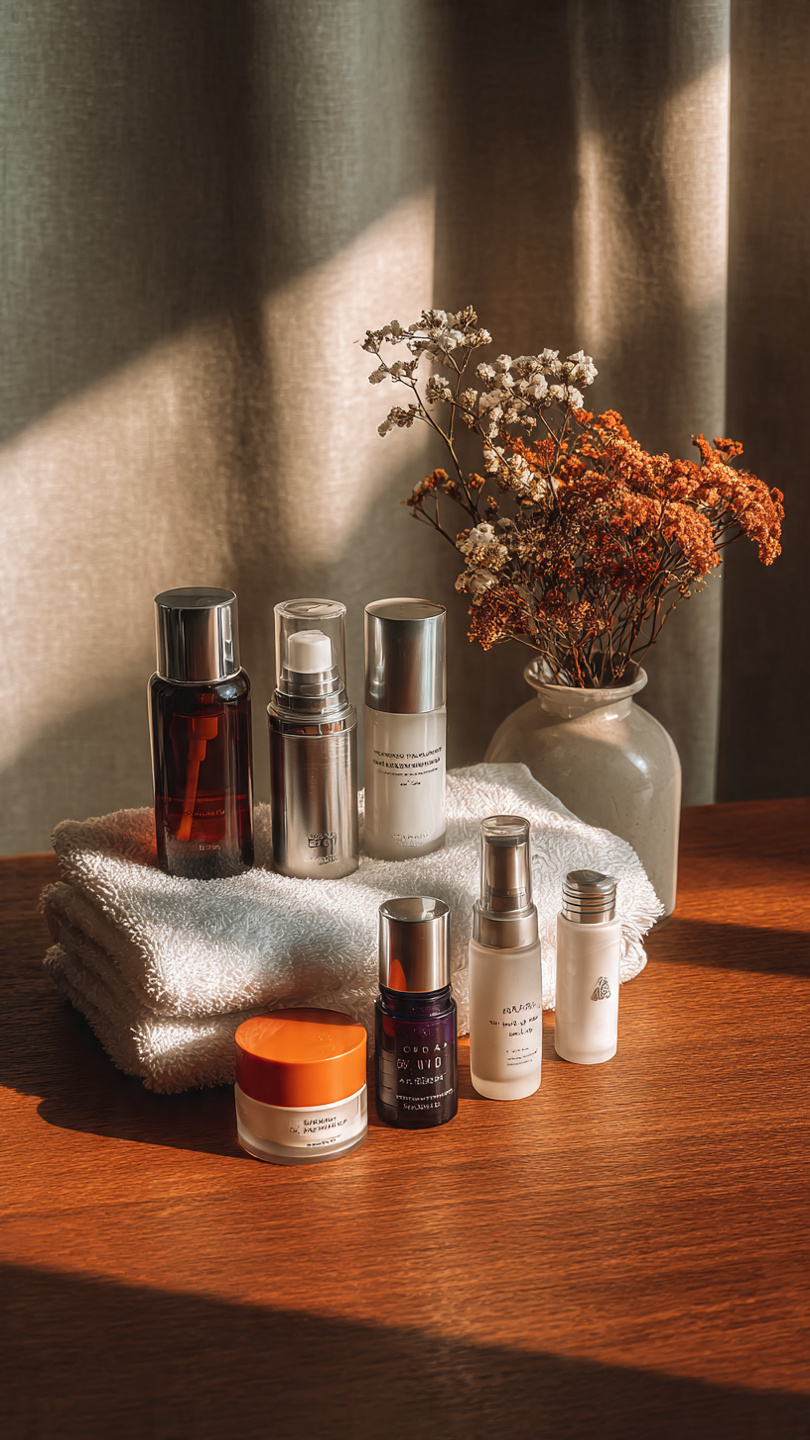
If you’ve spent any time on social media over the past couple of years, you’ve probably seen “the everything shower” — the trend of turning an ordinary shower into a full self-care ritual, complete with every product, tool, and step you own, all in one extended session. It’s part practicality (batching your self-care so it doesn’t feel like constant maintenance), part genuine luxury, and part reclaiming a bit of unhurried time in an otherwise rushed routine.
Done well, an everything shower can be a genuinely effective way to reset your skin (and your mindset). Done carelessly, it can also mean over-exfoliating, over-washing, or layering products in a way that does more harm than good. Here’s how to build an everything shower routine that actually benefits your skin instead of just looking good on camera.
What Exactly Is an “Everything Shower”?
It’s essentially a dedicated, unhurried shower session where you combine multiple self-care steps that you might normally rush through or skip separately — shaving, exfoliating, deep conditioning, face masking, body care, and more — into one longer, intentional routine. Think of it as batching several maintenance tasks into a single relaxing block of time, rather than squeezing each one in separately throughout a busy week.
This isn’t meant to be a daily habit. Most people do an everything shower once a week or every couple of weeks, treating it as a reset rather than a daily standard.
Before You Get In: Prep
1. Dry Brushing (Optional)
If you enjoy dry brushing, do it before you get in the shower, on completely dry skin. Use gentle, upward strokes toward the heart. This can help slough off dead skin cells and may support circulation, making your subsequent exfoliation and moisturizing steps more effective.
2. Detangle Hair
If you’re planning a deep hair treatment, brush through dry hair first to remove tangles. This makes any deep conditioning treatment distribute more evenly and reduces breakage from detangling wet hair later.
In the Shower: Step-by-Step
3. Start With a Hair Oil Treatment (If Your Hair Needs It)
If your hair is dry or damaged, apply a nourishing hair oil or pre-shampoo treatment to dry or damp hair before you shampoo, and let it sit while you move through your other steps.
4. Cleanse Your Body First
Start with a gentle body wash to remove surface dirt and sweat. This creates a cleaner base for the exfoliation step that follows, and it’s more effective to exfoliate on already-cleansed skin.
5. Body Exfoliation
Use a gentle scrub, exfoliating glove, or chemical exfoliant (like a body wash containing salicylic or glycolic acid) to slough off dead skin cells. Focus on areas prone to roughness or buildup — elbows, knees, and if applicable, areas prone to body acne like the back and chest. Avoid pressing hard; exfoliation should never feel like scrubbing off a layer of skin, and over-exfoliating the body is just as possible (and just as damaging) as over-exfoliating your face.
Don’t do this daily — 1–3 times a week is generally plenty, depending on your skin’s sensitivity.
6. Shave or Do Hair Removal (If Applicable)
If shaving is part of your routine, do it after exfoliating (smoother skin surface, closer shave, less irritation) but before applying any other products. Use a fresh razor and a proper shaving cream or gel rather than just soap, which can be drying and increase irritation risk.
7. Shampoo and Condition
Wash your hair as usual, focusing shampoo on the scalp and conditioner on the mid-lengths and ends. If you did a pre-treatment oil, this is when you rinse it out (unless it’s a leave-in formula).
8. Deep Conditioning Hair Mask (If Using One)
Apply a deep conditioning treatment after your regular conditioner, focusing on the ends. Let it sit for the recommended time — this is a good moment to move on to your face care while it works.
9. Facial Cleansing
Now that your body and hair steps are handled, cleanse your face. The steam from the shower can help soften skin and open pores slightly, which can make cleansing (and any exfoliation step) more effective than cleansing on dry, room-temperature skin.
10. Facial Exfoliation (If Scheduled for This Day)
If facial exfoliation is part of your routine today, this is the moment — but only if you haven’t exfoliated your face recently. Facial skin is more delicate than body skin, so stick to gentle formulas and don’t combine multiple exfoliating steps (physical and chemical) in the same session.
11. Face Mask
While your hair mask continues working, apply a face mask suited to what your skin needs that week — clarifying clay for congestion, hydrating for dryness, or a soothing formula if your skin’s feeling reactive. Leave it on for the recommended time.
12. Rinse Everything Off
Rinse your hair mask, face mask, and any remaining product thoroughly. Use lukewarm rather than hot water for this final rinse — hot water feels great but is more dehydrating for both skin and hair over time.
After the Shower: Lock Everything In
13. Pat Dry, Don’t Rub
Gently pat your skin and hair dry rather than rubbing vigorously, which causes friction and can be irritating, especially right after exfoliation.
14. Body Moisturizer While Skin Is Still Damp
Apply body lotion or oil within a few minutes of getting out, while your skin is still slightly damp. This helps lock in more moisture than applying to fully dry skin.
15. Facial Skincare Routine
Follow your usual face routine — toner/essence if you use one, serums suited to what your skin needs, and a moisturizer to seal everything in. If you used a purifying mask, your skin may want extra hydration afterward to rebalance.
16. Don’t Skip SPF If It’s Daytime
If this is a morning routine and you’ll be heading out, don’t forget sunscreen as your final skincare step.
17. Hair Care to Finish
Apply a leave-in conditioner, heat protectant (if you’re going to style with heat), or hair oil to damp hair before drying or styling as usual.
18. Nails and Cuticles (Optional Bonus Step)
If you’re going all in, this is also a good time to push back cuticles, apply cuticle oil, or do a quick at-home manicure or pedicure refresh while everything else is soaking in.
Making It a Realistic Habit, Not a Burnout Trap
Don’t Do the Full Routine Every Day
This is the most important rule. An everything shower is meant to be an occasional reset, not a daily standard. Doing full-body exfoliation, face exfoliation, masking, and deep conditioning daily will overwhelm your skin and hair, leading to irritation, barrier damage, and dryness rather than the glow you’re going for.
A realistic cadence for most people is once a week or once every two weeks, with regular, simpler showers filling the days in between.
Don’t Combine Every Active Step at Once
If your body wash contains acids, your face routine involves exfoliation, and you’re also shaving, that’s a lot of exfoliating and potential irritation happening in a single session. Pick one or two “active” steps per everything shower rather than stacking all of them together.
Listen to Your Skin’s Actual Needs, Not Just the Trend
Not every everything shower needs every single step. Some weeks your hair needs the deep treatment more than your skin needs to be scrubbed; other weeks your skin is craving a calming mask more than an exfoliation. Treat this as a flexible framework, not a rigid checklist you have to complete every single time.
The Takeaway
The everything shower trend, stripped of the aesthetic and the trend cycle, is really just a smart way to batch self-care tasks that often get neglected in the rush of daily routines. Used occasionally and thoughtfully — with attention to not overdoing actives or exfoliation in a single session — it can be a genuinely effective reset for both your skin and your headspace. Treat it as a periodic ritual rather than a daily obligation, and you get the benefits without the risk of overdoing it.
Leave a Reply