
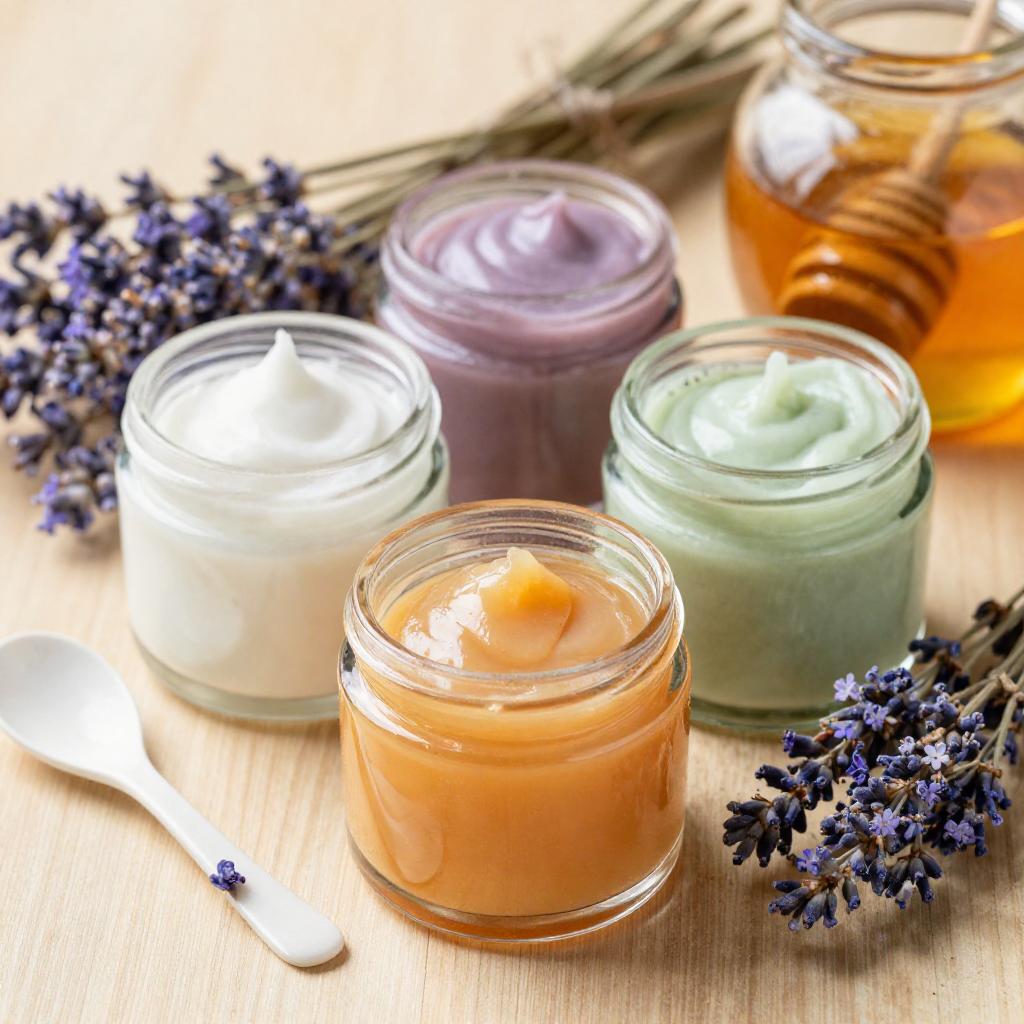
Elbows and knees are the forgotten corners of most skincare routines. You moisturize your face daily, maybe your hands, but elbows and knees usually only get attention when they’re already rough, ashy, or darker than the rest of your skin. There’s a reason for that neglect problem in the first place: this skin is thicker, has fewer oil glands, and gets constant friction from leaning, kneeling, and resting on surfaces — so it dries out and thickens faster than skin almost anywhere else on the body.
The good news is that it responds quickly to the right treatment. Unlike facial skin, elbows and knees can handle more aggressive exfoliation and richer, heavier moisturizers without much risk of irritation. Here’s how to actually fix them, plus five DIY recipes to work through the process at home.
Why Elbows and Knees Get So Rough
- Fewer oil glands. These areas naturally produce less sebum than your face or torso, so they lose moisture faster and don’t self-regulate as well.
- Constant friction. Leaning on desks, kneeling on floors, and resting elbows on armrests all create repeated mechanical stress, which triggers the skin to thicken as a defense mechanism — leading to callus-like patches.
- Slower cell turnover. Thicker skin sheds dead cells more slowly, so buildup accumulates visibly instead of flaking off on its own.
- Sun exposure and friction darkening. Repeated pressure and UV exposure can trigger extra pigment production, which is why elbows and knees often look darker than surrounding skin.
Because the underlying issue is a mix of dryness, buildup, and friction, an effective routine needs to do two things at once: exfoliate to remove built-up dead skin, and deeply moisturize to prevent it from re-forming.
How to Patch Test Before You Start
Even though elbow and knee skin is tougher than facial skin, some of these recipes use stronger acids and physical exfoliants, so it’s still worth testing first — especially if you have sensitive skin or a history of allergic reactions.
- Apply a small amount of the finished mixture to a small patch of skin, such as the inside of your wrist.
- Leave it uncovered for 24 hours without washing the area.
- Check for redness, burning, itching, or bumps.
- If skin looks and feels normal, it’s safe to use on elbows and knees.
- Stop immediately and rinse if you notice any irritation.
Five DIY Treatments for Rough Elbows and Knees
1. Baking Soda and Olive Oil Scrub
- 2 tbsp baking soda
- 1 tbsp olive oil
- 1 tsp warm water
How to use it: Mix into a thick paste. Massage onto damp elbows and knees in small circles for 2–3 minutes, then rinse with warm water and pat dry. Follow immediately with a rich moisturizer.
Who it’s best for: Thick, calloused patches that need strong physical exfoliation. Great as a once-weekly reset treatment.
Who should avoid it: Anyone with broken skin, eczema flare-ups, or very sensitive skin, since baking soda is alkaline and can disrupt the skin’s natural pH with frequent use.
Storage: Best mixed fresh each time; doesn’t keep well once combined with water.
Refrigeration needed: No.
Common mistakes: Using it more than once a week (it’s abrasive enough to cause micro-irritation with overuse), and skipping the moisturizer step afterward, which leaves skin drier than before.
The science: Baking soda’s coarse texture physically buffs away dead skin cells, while olive oil’s fatty acids offset some of its drying, alkaline nature. This combination works fast but is intentionally used sparingly because of how aggressive the exfoliation is.
2. Brown Sugar and Coconut Oil Scrub
- ¼ cup brown sugar
- 2 tbsp melted coconut oil
- 1 tsp honey (optional)
How to use it: Combine into a grainy paste. Rub onto damp elbows and knees for 1–2 minutes, then rinse with warm water.
Who it’s best for: Mild to moderately dry, rough patches. Gentle enough for regular use, up to 2–3 times a week.
Who should avoid it: Anyone with a coconut allergy, or acne-prone skin nearby, since coconut oil is comedogenic and can clog pores if it spreads to other areas.
Storage: Keeps at room temperature for up to 2 weeks in a sealed container, since sugar naturally resists bacterial growth.
Refrigeration needed: No, though coconut oil may solidify in cooler temperatures — simply warm the container in your hands.
Common mistakes: Scrubbing too hard (let the sugar granules do the work), and rinsing with water that’s too hot, which strips natural oils.
The science: Brown sugar dissolves gradually during use, making it gentler than salt-based scrubs. Coconut oil’s fatty acids create a barrier that locks in moisture immediately, and honey — if added — pulls in additional hydration as a natural humectant.
3. Lemon and Sugar Brightening Scrub
- 1 tbsp fresh lemon juice
- 2 tbsp granulated sugar
- 1 tbsp olive oil
How to use it: Mix into a paste and gently massage onto elbows and knees for 1–2 minutes. Rinse thoroughly. Use at night only, since lemon increases sun sensitivity.
Who it’s best for: Darkened or discolored elbows and knees from friction or sun exposure, in skin that isn’t easily irritated.
Who should avoid it: Anyone with sensitive skin, open cuts, or a history of reacting to citrus. Not recommended for use before sun exposure, as lemon juice is photosensitizing.
Storage: Mix fresh each use; lemon juice loses potency and can spoil within a day.
Refrigeration needed: No, since it should be used immediately.
Common mistakes: Applying before going outside in the sun, using it more than 2–3 times a week, and leaving it on too long, which can cause irritation or uneven lightening.
The science: Lemon juice contains citric acid, an AHA that helps fade surface discoloration by encouraging cell turnover. It’s paired here with sugar for physical exfoliation and olive oil to soften the acid’s drying effect, but the photosensitizing effect of citrus is why nighttime use matters.
4. Oatmeal and Yogurt Soothing Mask
- 2 tbsp finely ground oats
- 2 tbsp plain yogurt
- 1 tsp honey
How to use it: Mix into a paste and apply a thick layer to elbows and knees. Leave on for 15 minutes, then rinse with warm water.
Who it’s best for: Sensitive, irritated, or flaky skin that needs calming rather than aggressive exfoliation.
Who should avoid it: Anyone with a dairy or oat allergy.
Storage: Keeps refrigerated for up to 2 days.
Refrigeration needed: Yes, due to the yogurt content.
Common mistakes: Using coarsely ground oats, which can feel scratchy rather than soothing, and skipping the follow-up moisturizer since this mask hydrates but doesn’t seal in moisture on its own.
The science: Oats contain avenanthramides, compounds known for reducing inflammation and itchiness, making this the gentlest option here. Yogurt’s lactic acid offers mild exfoliation without the intensity of citrus or baking soda, and honey adds humectant moisture.
5. Shea Butter and Vitamin E Overnight Treatment
- 2 tbsp shea butter, softened
- 1 tsp vitamin E oil (or the contents of 2 vitamin E capsules)
- 1 tsp jojoba oil
How to use it: Mix until smooth. Massage a generous layer onto clean elbows and knees before bed, and cover with old socks or sleeves if you don’t want it on your sheets. Rinse off in the morning if needed.
Who it’s best for: Very dry, cracked, or flaking skin that needs deep, long-lasting moisture rather than exfoliation.
Who should avoid it: Anyone with a nut allergy, since shea comes from the shea tree nut (though true allergic reactions are rare), or very acne-prone surrounding skin, since this treatment is rich and occlusive.
Storage: Keeps at room temperature for up to a month in a sealed jar, since it contains no water-based ingredients.
Refrigeration needed: No.
Common mistakes: Applying too thin a layer to see real results, and using it as a daytime treatment under clothing, where it can feel greasy without enough time to absorb.
The science: Shea butter is rich in fatty acids and forms an occlusive layer that dramatically slows water loss overnight. Vitamin E supports skin barrier repair, while jojoba oil closely mimics skin’s natural sebum, helping the other ingredients absorb more easily instead of sitting on the surface.
Common Mistakes to Avoid, Across the Board
- Exfoliating too often. Elbows and knees can handle more than facial skin, but daily scrubbing still causes irritation and can worsen darkening over time.
- Skipping moisturizer after exfoliating. Removing dead skin without replacing lost moisture leaves the area right back where it started within a day or two.
- Using the same routine on both symptoms. Rough, thickened skin needs exfoliation first; dark, discolored skin needs gentler, more consistent brightening over weeks, not one aggressive treatment.
- Expecting overnight results. Skin turnover takes time — most people notice a real difference after 2–3 weeks of consistent care, not after a single treatment.
The Takeaway
Elbows and knees don’t need a store-bought “elbow cream” to look and feel better — they need the same two things skincare always comes down to: consistent exfoliation to clear buildup, and rich moisture to keep it from coming back. Pick the recipe that matches what your skin actually needs, patch test it, and give it a few weeks before judging the results.
Leave a Reply