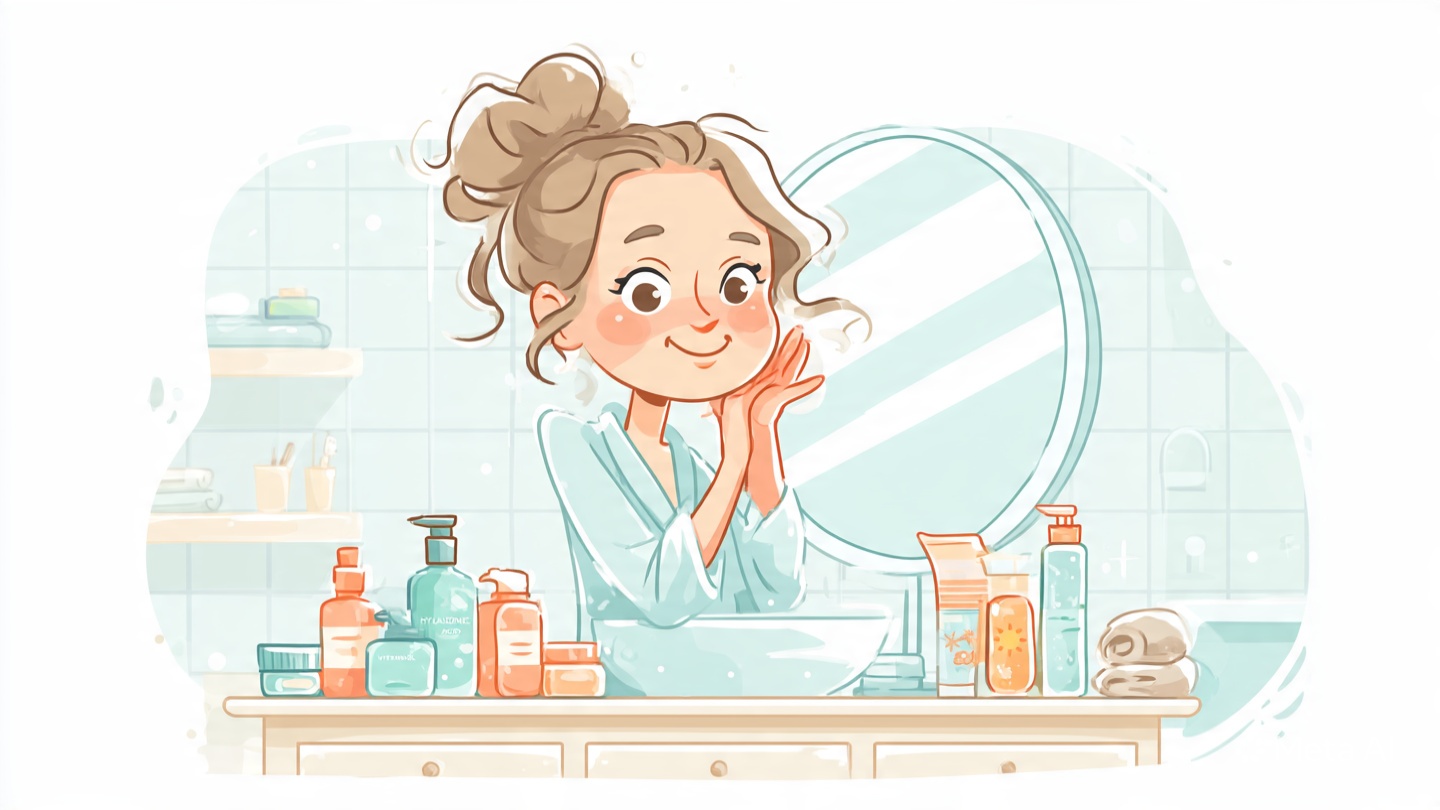
Aging is a natural and beautiful process, but taking care of your skin can help you age gracefully while maintaining a healthy, radiant, and youthful appearance for longer. Many people think anti-aging skincare is complicated or expensive, but the truth is that a simple, consistent routine can make a significant difference over time.
If you are a beginner, you don’t need 10 different serums or luxury products. What matters most is understanding your skin, using the right ingredients, and following a consistent daily routine.
In this guide, you will learn a complete anti-aging skincare routine for beginners, including morning and evening steps, key ingredients to look for, common mistakes to avoid, and lifestyle habits that support youthful skin.
Understanding Skin Aging
Before building a skincare routine, it is important to understand what causes skin aging.
Skin aging happens due to two main factors:
1. Intrinsic Aging (Natural Aging)
This is genetic and happens over time. It includes:
- Decreased collagen production
- Loss of elasticity
- Thinner skin
- Fine lines and wrinkles
2. Extrinsic Aging (External Factors)
This is caused by lifestyle and environment:
- Sun exposure (UV damage)
- Pollution
- Smoking
- Poor diet
- Stress
- Lack of sleep
Most visible signs of aging come from external factors, which means you can slow them down with the right skincare and habits.
The Core Goals of an Anti-Aging Routine
A good anti-aging routine should focus on:
- Protecting collagen
- Preventing sun damage
- Hydrating the skin
- Boosting cell renewal
- Reducing fine lines
- Improving elasticity
- Strengthening the skin barrier
You don’t need complicated steps—just consistency.
Morning Anti-Aging Skincare Routine
Your morning routine is all about protection. During the day, your skin is exposed to UV rays, pollution, and environmental stress.
Step 1: Gentle Cleanser
Start your morning with a mild cleanser to remove oil and sweat that built up overnight.
Why it matters:
- Prepares skin for skincare products
- Removes impurities without stripping moisture
- Keeps skin barrier healthy
What to look for:
- Hydrating cleansers
- Cream or gel-based formulas
- Ingredients like glycerin or hyaluronic acid
Avoid harsh soaps or strong foaming cleansers that can dry the skin.
Step 2: Antioxidant Serum (Vitamin C)
Vitamin C is one of the most powerful anti-aging ingredients.
Benefits:
- Brightens skin
- Reduces dark spots
- Boosts collagen production
- Protects against free radicals
Apply a few drops on clean skin before moisturizer.
Beginner tip:
Start with a low to medium concentration to avoid irritation.
Step 3: Hydrating Serum (Hyaluronic Acid)
Hyaluronic acid is a moisture magnet that keeps skin plump and hydrated.
Benefits:
- Reduces appearance of fine lines
- Improves skin elasticity
- Gives a youthful glow
Apply it on slightly damp skin for best results.
Step 4: Moisturizer
Moisturizer locks in hydration and strengthens the skin barrier.
Benefits:
- Prevents dryness
- Smooths skin texture
- Supports elasticity
What to look for:
- Ceramides
- Peptides
- Niacinamide
- Lightweight but nourishing formulas
Step 5: Sunscreen (Most Important Step)
If you only do one anti-aging step, make it sunscreen.
Why sunscreen is essential:
- Prevents wrinkles
- Protects collagen
- Reduces dark spots
- Prevents premature aging
UV damage is responsible for up to 80% of visible skin aging.
Tips:
- Use SPF 30 or higher
- Apply every morning
- Reapply every 2–3 hours if outside
Evening Anti-Aging Skincare Routine
Nighttime is when your skin repairs itself. Your evening routine should focus on repair, renewal, and hydration.
Step 1: Double Cleansing (Optional but Recommended)
If you wear makeup or sunscreen, double cleansing is important.
Step 1:
Use an oil-based cleanser to remove sunscreen and makeup.
Step 2:
Follow with a gentle water-based cleanser.
Benefits:
- Deeply cleans skin
- Prevents clogged pores
- Improves absorption of skincare products
Step 2: Treatment Serum (Retinol)
Retinol is one of the most effective anti-aging ingredients.
Benefits:
- Reduces fine lines
- Boosts collagen production
- Improves skin texture
- Fades dark spots
- Speeds up cell turnover
Beginner tips:
- Start with low concentration
- Use only 2–3 times per week
- Apply at night only
Important:
Retinol can cause dryness at first—this is normal.
Step 3: Hydrating Serum or Essence
After retinol, hydration is important.
Benefits:
- Soothes skin
- Reduces irritation
- Restores moisture balance
Look for:
- Aloe vera
- Hyaluronic acid
- Panthenol
Step 4: Night Moisturizer
Night creams are usually richer than daytime moisturizers.
Benefits:
- Repairs skin barrier
- Locks in hydration
- Supports overnight regeneration
Look for ingredients like:
- Ceramides
- Peptides
- Shea butter
- Squalane
Step 5: Facial Oil (Optional)
Facial oils are great for dry or mature skin.
Benefits:
- Deep hydration
- Glow enhancement
- Barrier protection
Examples:
- Rosehip oil
- Jojoba oil
- Argan oil
Weekly Anti-Aging Treatments
In addition to your daily routine, weekly treatments can enhance results.
1. Exfoliation (1–2 Times Per Week)
Exfoliation removes dead skin cells.
Benefits:
- Brighter skin
- Smoother texture
- Better product absorption
Types:
- Chemical exfoliants (AHA/BHA)
- Gentle scrubs (use carefully)
2. Hydrating Masks
Hydrating masks restore moisture and plump the skin.
Ingredients:
- Hyaluronic acid
- Aloe vera
- Honey
- Collagen
3. Clay Masks (For Oily Skin)
Helps remove impurities and control oil.
Key Anti-Aging Ingredients to Look For
When choosing skincare products, focus on these ingredients:
1. Retinol
- Boosts collagen
- Reduces wrinkles
2. Vitamin C
- Brightens skin
- Fights aging
3. Hyaluronic Acid
- Hydrates deeply
4. Niacinamide
- Improves skin texture
- Reduces pores
5. Peptides
- Support collagen production
6. Ceramides
- Strengthen skin barrier
Common Mistakes Beginners Make
Many people damage their skin unknowingly by making simple mistakes.
1. Using too many products
More is not better. Keep your routine simple.
2. Skipping sunscreen
This is the biggest cause of premature aging.
3. Using strong actives too quickly
Retinol and acids should be introduced slowly.
4. Not moisturizing
Even oily skin needs hydration.
5. Inconsistent routine
Skincare only works with consistency over time.
Lifestyle Habits for Anti-Aging Skin
Skincare products alone are not enough. Lifestyle plays a huge role.
1. Eat a healthy diet
Focus on:
- Fruits
- Vegetables
- Healthy fats
- Protein
2. Drink water
Hydration keeps skin plump and smooth.
3. Sleep well
Your skin repairs itself during sleep.
4. Reduce stress
Stress increases inflammation and accelerates aging.
5. Avoid smoking and excess alcohol
Both damage collagen and dry out skin.
Simple Beginner Anti-Aging Routine Summary
Morning:
- Cleanser
- Vitamin C serum
- Hyaluronic acid
- Moisturizer
- Sunscreen
Evening:
- Cleanser
- Retinol (2–3x per week)
- Hydrating serum
- Moisturizer
- Facial oil (optional)
Final Thoughts
Starting an anti-aging skincare routine doesn’t need to be overwhelming. The key is to focus on protection, hydration, and repair. If you are consistent with a simple routine, you will start to notice improvements in skin texture, brightness, and elasticity over time.
Remember, skincare is not about stopping aging—it is about supporting your skin so it stays healthy, strong, and glowing at every stage of life.
Begin with the basics, stay consistent, and gradually build your routine as your skin becomes stronger and more resilient.
Leave a Reply